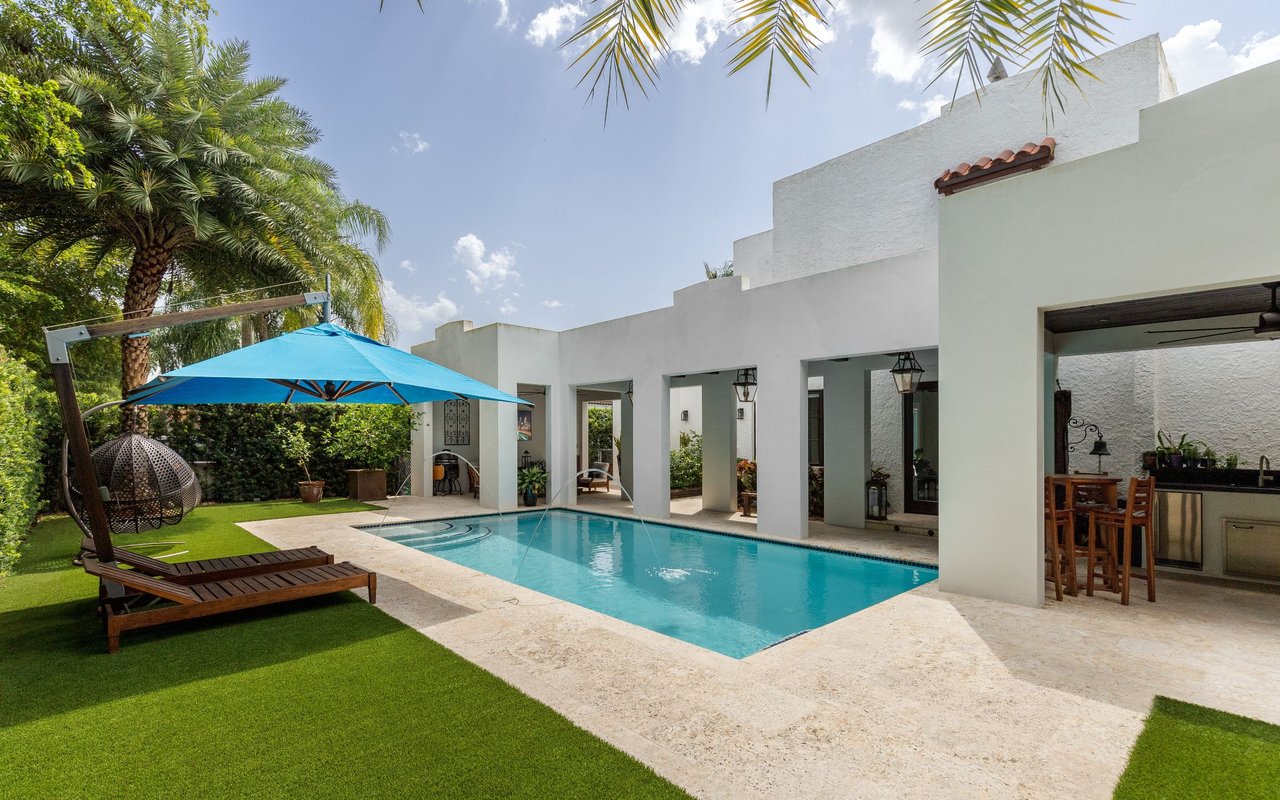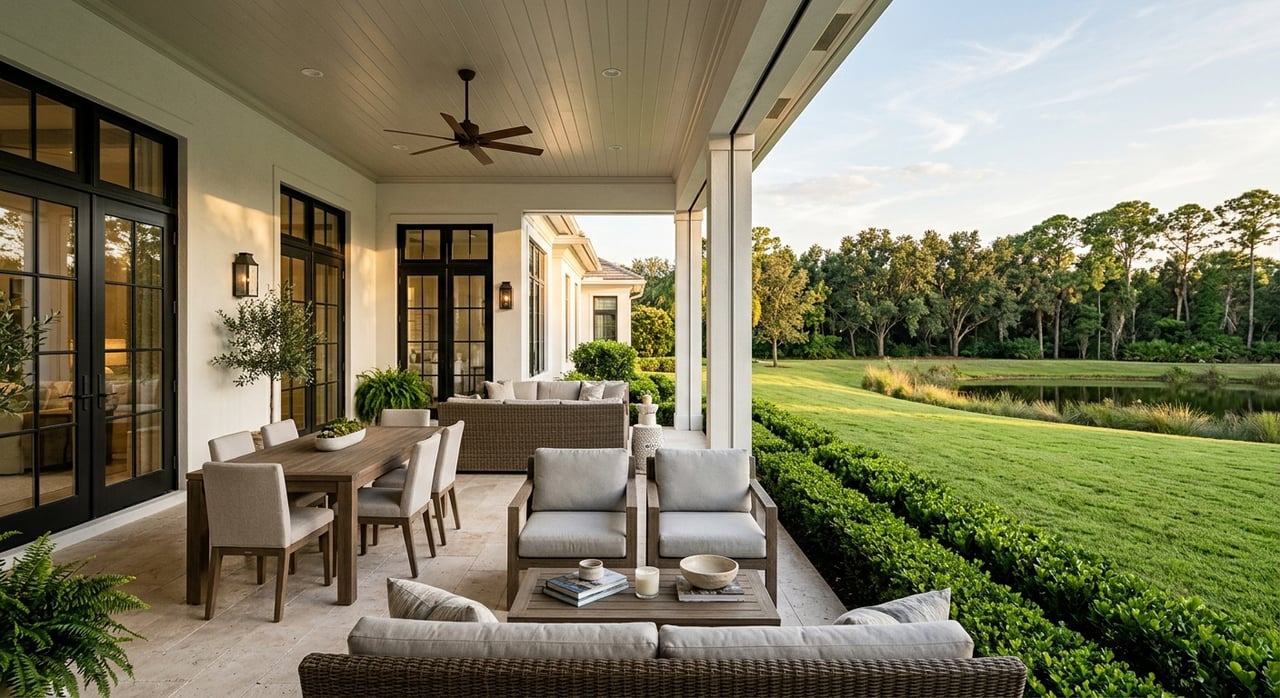
Wondering why one home in Lake Forest commands more attention, and often a stronger price, than a similar home just a few streets away? If you are buying, selling, or simply keeping tabs on your investment, it helps to know that home values in this Sanford community are shaped by more than square footage alone. From lot position and lake views to floor plan and updates, understanding these details can help you make smarter decisions. Let’s dive in.
Lake Forest value starts with the community
Lake Forest offers more than individual homes. According to the HOA, it is a 24-hour, manned, guard-gated community with resident transponder access and evening security patrols. The neighborhood also includes a large clubhouse, pool amenities, tennis and pickleball courts, a fitness facility, playground, fishing dock, sandy beach, and other recreational features.
That matters because buyers are not just evaluating a house. They are also weighing the lifestyle and convenience that come with the neighborhood’s amenity package. Since the HOA states these amenities are included through dues and maintained through annual assessments under Florida Statutes Chapter 720, those ongoing costs and benefits both factor into how buyers view value.
Micro-location matters inside Lake Forest
One of the biggest drivers of home values in Lake Forest is micro-location. Seminole County property records show that the community includes multiple sections and phases, along with both standard single-family parcels and single-family waterfront parcels. In simple terms, two homes in Lake Forest can look similar on paper but still have very different market appeal.
This is why broad neighborhood averages only tell part of the story. A home’s place within the community can influence privacy, setting, and buyer demand. In a neighborhood built around a large lake with tree-lined streets, subtle differences in lot orientation can have a real impact.
Lot position can change buyer appeal
A home on an interior lot may compete differently than one with a more secluded backyard or a more open outlook. Some buyers prefer added privacy, while others focus on scenery or proximity to the water. Even within the same section, the feel of one lot can be noticeably different from another.
Lake Forest’s community materials highlight a 55-acre lake and more than 4 miles of shoreline. In a setting like that, homes with stronger natural outlooks or more unique lot positions often stand out faster to buyers. Scarcity also matters, because not every lot offers the same experience.
Waterfront and view premiums can influence price
Waterfront is one of the most obvious value factors in Lake Forest, but it is not the only one. Research on residential pricing consistently shows that water views, water access, and scenic natural surroundings can influence sale prices. In Lake Forest, that may show up in different ways depending on the property.
A true waterfront lot may attract buyers for one reason, while a home with an open lake view or a treed backdrop may appeal for another. The market may value these settings differently based on privacy, visibility, and how rare they are within the neighborhood. That is why two homes with similar square footage can still end up in different price ranges.
Not all premium lots are the same
It helps to think of lot premiums as layered rather than automatic. A waterfront designation in county records is important, but buyers also pay attention to what they actually see and feel on the property. A better view line, less backyard exposure, or a more peaceful setting can all shape perceived value.
That means sellers should be careful not to rely only on a label like “waterfront.” Buyers usually compare the quality of the setting, not just the parcel type. The strongest pricing strategy accounts for the specific view and lot experience, not just the category.
Floor plan and layout affect value too
A home’s layout can matter almost as much as its location. Fannie Mae notes that appraisers consider size, design, condition, location, views, and extra features when determining value. It also points out that unusual layouts can face market resistance if they have limited appeal.
For buyers, this usually comes down to how the home lives day to day. A functional layout with comfortable flow often feels more valuable than a larger home with awkward room placement. In competitive price ranges, usability can shape demand just as much as total square footage.
Why similar-sized homes sell differently
You may see two homes with nearly the same square footage sell at noticeably different prices. In many cases, layout is part of the reason. One home may offer a more practical room arrangement, while another may feel dated or less efficient.
This matters for sellers because buyers react quickly to floor plan strengths and weaknesses. Clean presentation helps, but it does not completely overcome a layout that feels less functional. When pricing a home, design appeal should be weighed alongside size.
Condition and updates play a major role
Condition is one of the clearest value drivers in any market, and Lake Forest is no exception. Buyers often respond strongly to homes that feel well maintained, cohesive, and move-in ready. Visible wear, deferred maintenance, or outdated finishes can affect both interest and price.
Updates also tend to have different levels of impact. Remodeling research from the National Association of Realtors shows that some projects attract stronger buyer response than others, with items like garage door replacement, entry door replacement, minor kitchen remodels, and bathroom remodels standing out among higher-return categories.
Buyers notice everyday improvements
In many cases, practical and visible upgrades carry more weight than improvements buyers cannot easily see. A refreshed kitchen, updated bath, or improved entry can shape first impressions right away. Those details may help a home feel more current and better cared for.
That does not mean every renovation adds equal value. The market typically responds best to updates that improve daily use, visual appeal, and overall presentation. Sellers who understand this can prioritize improvements more effectively before listing.
Why homes on the same street vary in value
It is common for homeowners to wonder why a nearby sale does not perfectly match their own property’s value. In Lake Forest, the answer often comes down to a mix of lot position, view, floor plan, condition, and updates. Even homes on the same street may offer very different buyer experiences.
For example, one home may have a stronger lake outlook, another may back to a more private treed area, and another may simply show better because of recent upgrades. Those differences can outweigh the fact that the addresses are close together. That is why one sale should never be used in isolation.
A strong valuation needs close comparisons
The most useful home value analysis in Lake Forest usually starts with closely matched recent sales. Ideally, those comparisons come from the same section or phase of the community whenever possible. From there, adjustments should reflect lot orientation, waterfront or conservation exposure, condition, layout, and timing.
This approach is more accurate than relying on broad averages for the whole neighborhood. Fannie Mae’s appraisal guidance also emphasizes that market conditions and time adjustments matter. In a community with meaningful lot and view differences, precision matters.
What this means if you are buying or selling
If you are buying in Lake Forest, look beyond headline features like bedroom count and total square footage. Pay attention to the lot, the view, the layout, and the condition because those factors can shape both your experience and long-term resale appeal. A home that seems similar online may feel very different in person.
If you are selling, it is important to position your home based on its specific strengths within the neighborhood. That could mean emphasizing a more private setting, a stronger outlook, a functional layout, or thoughtful updates. In a micro-market like Lake Forest, details matter.
When you want a clear picture of how your home fits into the Lake Forest market, working with someone who understands Seminole County neighborhoods at a granular level can make a real difference. To schedule a free consultation, connect with Tara Mruk.
FAQs
What factors influence home values in Lake Forest most?
- The biggest factors include the community amenity package, lot position within Lake Forest, waterfront or scenic views, floor plan, overall condition, and the quality of updates.
Do waterfront homes in Lake Forest always sell for more?
- Not always. Waterfront can add appeal, but value also depends on the quality of the view, privacy, lot orientation, and how that specific property compares with other homes in the neighborhood.
Why can two Lake Forest homes with similar size have different values?
- Homes with similar square footage can still differ in value because of layout, condition, updates, lot type, and whether one has a better lake or preserve setting.
How do HOA amenities affect Lake Forest home values?
- HOA amenities can influence value because buyers often consider the gate, security features, clubhouse, fitness options, pool, courts, and lake access as part of the overall lifestyle they are purchasing.
Why should Lake Forest home values be compared by section or phase?
- Comparing by section or phase helps account for internal differences in lot types, location, and setting, which can make valuations more accurate than using broad neighborhood averages alone.