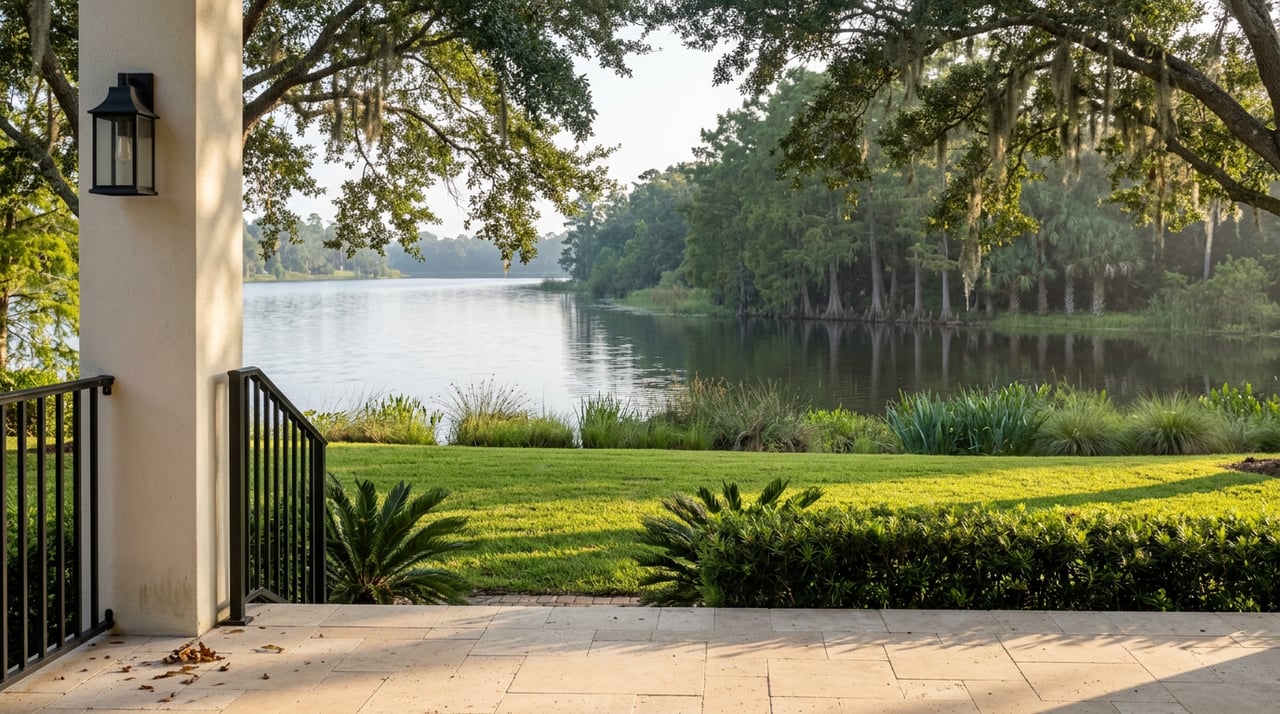
There's no Main Street on Markham Woods Road. No corner coffee shop with a chalkboard sign, no strip of restaurants you could walk to from your driveway. The corridor is built for privacy, not foot traffic. So when people who live out here want somewhere to actually gather, they end up in the same place almost every time: a stretch of riverfront a few miles off the road, on the same run of the Wekiva River that borders the Markham Woods Trailhead's adjacent Wekiva River Basin State Park.
That place is Wekiva Island, at 1014 Miami Springs Drive in Longwood, Florida. Most people who've been once or twice describe it as the kayak place, or the spot with the food truck. That's not wrong. It's just incomplete. Wekiva Island quietly runs as two different businesses depending on which day you show up, and knowing which one you're walking into changes what your afternoon looks like.
Two Schedules, One Address
The property opens at 8 a.m. daily, closing at 7 p.m. Sunday through Thursday and staying open until 11 p.m. Friday and Saturday. That four-hour swing isn't a rounding error. Sunday through Thursday, this is a nature stop: families paddling out before dinner, kids splashing near the boardwalk, the kind of unhurried afternoon you'd plan around a school pickup. Friday and Saturday, the same address becomes something closer to a neighborhood bar with a river view, open past most people's bedtime.
The entrance fee follows a similar logic. During the property's busiest season and on holidays, there's a $5 entrance fee per person, while the rest of the year walking in is free. If you've only ever visited on a quiet weekday morning, you'd have no reason to know that a summer Saturday night comes with a cover charge and a completely different scene.
The Rentals Don't Wait For You
If you're coming for the water, the Island runs on a rule that surprises a lot of first-timers: canoe, kayak, and paddleboard rentals are available on a first-come, first-served basis, with no reservations accepted. You can't call ahead and hold a kayak for Saturday at noon. You show up, you wait if you have to, and if the fleet is out, it's out.
Once you're on the water, there's a clock running whether you notice it or not. Every vessel has to be back by 6 p.m. the day of the rental, no matter when you launched. Regulars who want more than an afternoon loop have another option: park your own car and self-shuttle to another spot on the river for $25, with the vehicle needing to come back by closing time. It's the kind of detail nobody mentions until you're already paddling and realize you've drifted farther than a round trip allows.
That 25 dollar shuttle fee also hints at something bigger than a rental shop. Wekiva Island sits along a 16-mile stretch of the 27-mile Designated Wekiva Paddling Trail, with extended routes continuing onto Rock Springs Run and a section of the St. Johns River. Other put-ins along that same system include Wekiva Springs State Park, Wilson's Landing, Katie's Landing, and Highbanks Marina on the St. Johns. The Island isn't an isolated attraction. It's one door into a river network that people who live along Markham Woods treat as their backyard, whether they realize the geography or not.
Some Neighbors Keep Their Boat Here Year-Round
Here's the detail that separates a tourist stop from an actual community fixture: the property includes 22 covered boat slips available for monthly rent. That's not a number you'd guess from the outside. It means some of the people tying up at the dock on a random Tuesday aren't day-trippers at all. They're neighbors who've made this their permanent mooring, the same way someone else might keep a membership at a gym down the street.
The Bar Nobody Has To Advertise
Once the sun starts dropping on a Friday, the Tooting Otter Craft Beer and Wine Bar takes over. Live music runs every Friday and Saturday evening from 7 to 11 p.m., and it doesn't need a marketing push to fill the dock chairs. It's simply part of the week now, the same way a regular happy hour becomes part of a routine without anyone announcing it.
What makes the setup a little odd is the rule sitting right next to it. Step twenty feet off the boardwalk and onto the water, and the alcohol allowed at the bar becomes illegal. Alcohol is strictly prohibited on the Wild and Scenic Wekiva River, with no exceptions. Same property, two sets of rules, depending on whether you're standing on land or floating on the current. Dogs run into a simpler version of the same split: pets aren't permitted at Wekiva Island or on any of the vessels, full stop, no weekday exception.
The Calendar Has Its Own Landmarks
A corridor without a downtown still needs something to mark the year, and Wekiva Island has built a short list of dates that function that way.
January brings Otter Fest, an annual tradition that's grown well past a one-off happy hour. This year's edition, held January 31, 2026, marked the festival's 8th year running, with guests sampling from 12 breweries and four wineries. The festival takes its name from the property's own bar, the Tooting Otter, which tells you how thoroughly that bar has become the Island's identity rather than just one feature among many. General admission ran $55, with VIP tickets at $75, and the onsite food truck handled the appetite side of things.
April brings an Earth Day celebration that has grown into something closer to a small festival than a single afternoon. This year's event was held Friday, April 24, 2026, built around sustainability, conservation, and appreciation for the river. The activity list read like a roster of the county's own conservation groups working side by side: a river cleanup with Keep Seminole Beautiful, a guided eco paddle with Conservation Florida, and animal encounters with the Central Florida Zoo and Audubon Center. The night closed the way most weekend nights here do, with Sounds of Wekiva playing the Tooting Otter until 11 p.m.
Then there's the Fall Egg Fest, which comes with an operational quirk worth knowing before you plan around it. On the day of the event, Wekiva Island closes to regular visitors until 5 p.m. so ticketholders can have the space to themselves, then reopens afterward and welcomes guests as usual. If you show up expecting a normal Saturday morning paddle and haven't checked the calendar, you'll find the gate closed until late afternoon.
What Stays The Same
None of the seasonal rhythm changes the handful of rules that hold steady all year: no alcohol past the dock, no dogs on the property or in a vessel, no reserving a kayak in advance no matter how well you know the staff. Those constants are part of what makes the place feel like an actual fixture instead of a rotating attraction. A tourist destination adjusts itself for visitors. A neighborhood spot expects you to already know how it works.
That's the real difference between treating Wekiva Island as a once-a-summer errand and treating it the way people who live along Markham Woods Road actually do: as the closest thing the corridor has to a town square, with its own weekday hours, its own seasonal cover charge, and its own calendar of dates worth circling.
Whether you've paddled out from the Island a hundred times or just found out the Tooting Otter existed, that kind of detail is what Tara Mruk brings to every conversation about the Markham Woods Corridor. Schedule a free consultation whenever you want to talk through what daily life along this stretch of the Wekiva River actually looks like.